
Hearing loss is a complex condition that affects millions of people globally. While many assume hearing loss is a single issue, the reality is that it comes in different forms—each with unique causes, symptoms, and solutions. Whether you’re experiencing hearing difficulties yourself or supporting a loved one, learning about the distinct types of hearing loss is an important first step toward better hearing health.
There are three primary categories: conductive hearing loss, sensorineural hearing loss, and mixed hearing loss. Each type affects different parts of the auditory system and requires a specific approach to diagnosis and treatment.
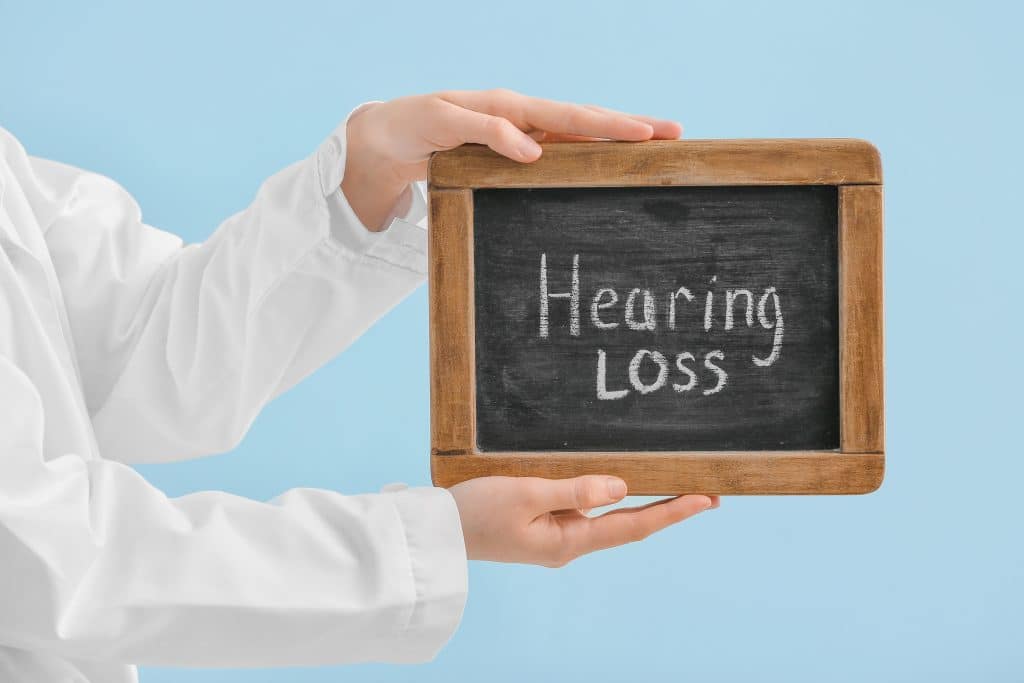
Conductive hearing loss occurs when sound is unable to travel efficiently through the outer or middle ear. This mechanical issue prevents sound waves from reaching the inner ear where they are typically processed and interpreted. People with this type of hearing loss often describe their hearing as muffled or blocked, as though they’re listening through a layer of cotton.
This condition is commonly caused by obstructions or malfunctions in the ear canal or middle ear. Excess earwax, middle ear infections, fluid buildup from colds or allergies, and structural issues like a perforated eardrum or abnormal bone growth can all contribute to this type of hearing loss. Occasionally, benign growths or foreign objects lodged in the ear can also be to blame.
Fortunately, conductive hearing loss is often temporary and highly treatable. Medical intervention can clear blockages, reduce inflammation, or address infections. In more complex cases, surgery may be needed to repair physical damage. Hearing aids can also be beneficial if full restoration is not possible through medical treatment alone.
Sensorineural hearing loss is the most common form of permanent hearing loss. It results from damage to the inner ear—specifically the cochlea—or to the auditory nerve that carries sound signals to the brain. Unlike conductive hearing loss, sensorineural loss is typically irreversible, but modern hearing technology and treatment options can help individuals manage it effectively.
This type of hearing loss is often associated with the natural aging process, but it can also be caused by prolonged exposure to loud noises, head injuries, hereditary conditions, or the use of certain medications known to harm the inner ear (ototoxic drugs). Serious infections like measles or meningitis may also damage the inner ear structures.
Symptoms may include difficulty understanding conversations, especially in noisy environments, and a tendency to perceive speech as muffled or distorted. Many individuals also experience tinnitus—a constant ringing or buzzing sound in the ears. Although sensorineural hearing loss can’t typically be corrected medically or surgically, hearing aids and cochlear implants can significantly improve hearing clarity. Supportive tools like captioned phones and auditory therapy can also enhance communication.
Mixed hearing loss is a combination of both conductive and sensorineural hearing loss. This means there are issues both with how sound is transmitted to the inner ear and how it is processed once it arrives. The dual nature of this condition often makes diagnosis and treatment more complex.
People with mixed hearing loss may notice symptoms like muffled sounds, trouble understanding speech, and tinnitus. The hearing loss may seem inconsistent—worsening with infections, allergies, or other physical factors. Mixed hearing loss can result from chronic ear infections that eventually damage the inner ear, head injuries that affect multiple auditory structures, or a combination of age-related decline and outer ear blockage.
Treatment typically begins by addressing the conductive component—clearing obstructions, reducing inflammation, or performing corrective surgery. Once those issues are managed, audiologists focus on the sensorineural side, often recommending hearing aids or other devices to support long-term communication. Because this type of hearing loss affects multiple areas of the ear, regular follow-up care is especially important.
Understanding what kind of hearing loss you’re experiencing is the key to choosing the right treatment. A comprehensive hearing evaluation from a licensed audiologist will identify not only the type but also the severity of hearing loss, allowing for a personalized care plan.
If you’ve been noticing changes in how you hear, now is the time to act. Early diagnosis and intervention can make a meaningful difference. Contact our office today to schedule a professional hearing assessment and take the first step toward better hearing and a better quality of life.
Hello, I am Sarah! I have been an Audiologist since 2019 when I received my doctorate degree from A.T. Still University in Arizona and undergraduate degree from the University of Minnesota. I have a passion to help people with their hearing healthcare. Coming from a family with hearing impaired individuals, I know the importance for personalized hearing care and best Audiology practices. Raised in small town Minnesota, I enjoy my time being outside, on the golf course or on the lake up north. I have 2 young children who keep me on my toes and always laughing.

My name is Brooke, and I have been working at SoundGate Hearing since July of 2023. I love being a part of a team that puts the customers first. Being able to help others has always been a passion of mine. When I am not working, I love spending time with my family and traveling.
I have worked in a variety of roles in the hearing industry since graduating from Minnesota State University-Moorhead with a Bachelor of Science degree in Communications. I have worked at SoundGate Hearing since 2013 and have substantial experience with both the technical and business sides of the industry. I understand the fundamental need to provide strong support for our patients. I spend my free time away from the office with my active family. I enjoy a wide variety of activities, including travel, hiking, camping, fishing, and all things outdoors. I am a passionate hockey and soccer parent and fan.
Hello, I am Kara, and I am so excited to continue serving the Buffalo area and providing hearing care at SoundGate Hearing. I grew up in SW, MN, in a small town, and I love the sense of community that small towns offer. I have worked at SoundGate since 2019 and love the personalized care this clinic provides patients. In my free time, I enjoy reading, staying active, spending time outdoors, and soaking up as much lake time as I can in our short MN summers.
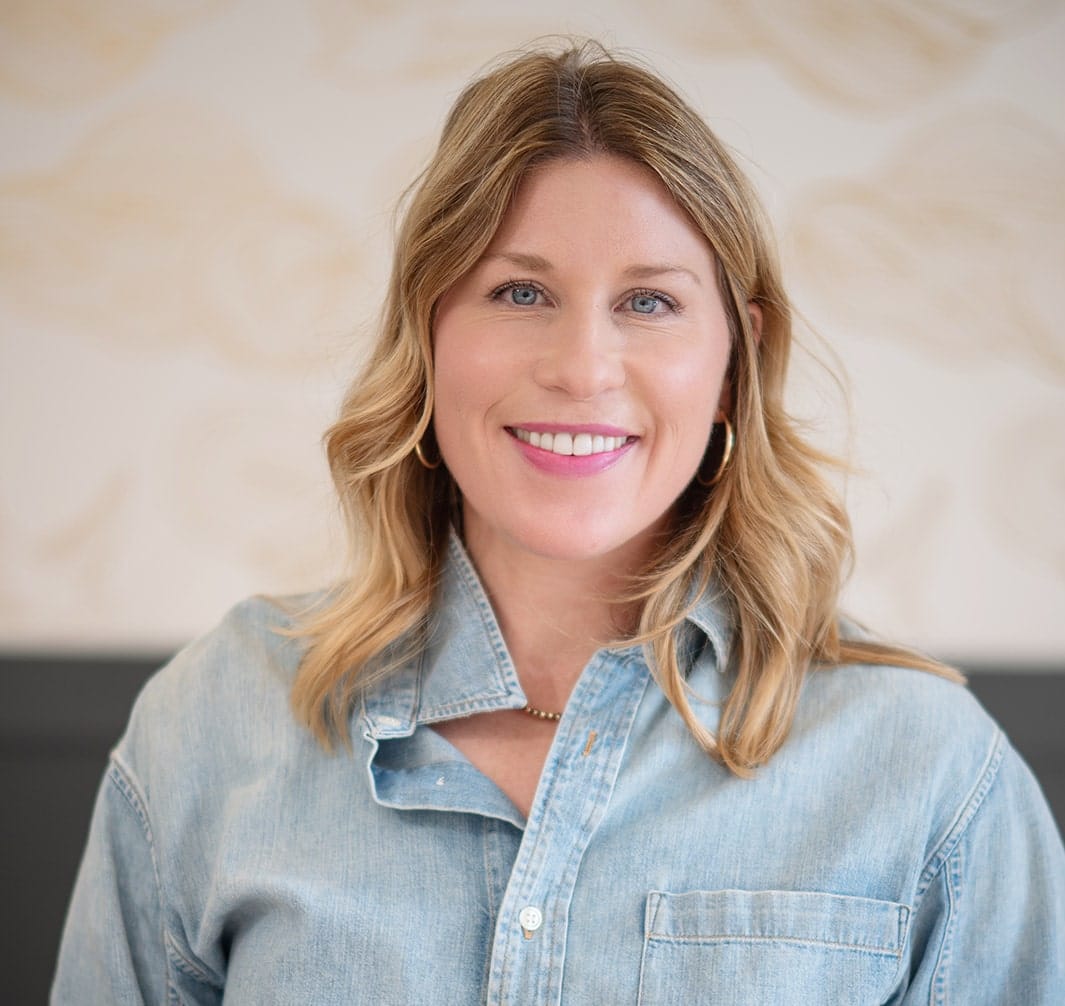
Welcome! I am Dr. Sarah Binfet and I have been a Doctor of Audiology since 2006. I proudly served Veterans at the Minneapolis VA for nearly 9 years. I established Blaine Hearing Center in 2013 in conjunction with my husband's optometric practice. It has been a wonderful partnership and enjoyable to see each other at work! In 2015, I had the opportunity to grow my practice when I purchased SoundGate Hearing from my mentor, Dr. Wendy Davis. I genuinely love what I do and feel that helping people hear is essential to their quality of life. I believe in creating a welcoming and supportive environment in which the patient and their families can be educated on their hearing loss, hearing aid options, and how to have the best success with their hearing aids. At SoundGate, we deeply care about our patients and their outcomes. We want everyone to genuinely enjoy their hearing aids and the benefits they bring. I am committed to offering my patients the most up to date digital hearing aid technology, which is why I carry a full line of manufacturers. There is no one right hearing aid for everyone. It is my job to help my patients navigate the complex works of hearing aids and decide on which products best meet their needs, goals and budget. I have discovered the benefit of giving patients the opportunity to trial hearing aids out of the office. A hearing aid trial is most helpful in navigating the complex journey of better hearing. A Minnesotan through and through, I was raised in Eden Prairie, MN, received my undergraduate degree from the University of St. Thomas and my Doctor of Audiology degree from the University of Minnesota. When not at work, you will find me cooking, hitting up the newest restaurants and fitting in as much yoga as possible. During the weekend, you will find my husband Rodney and me with our three kids, Evelyn, Jake and Sam, loving the outdoors at our family cabin on Leech Lake. I look forward to meeting you.
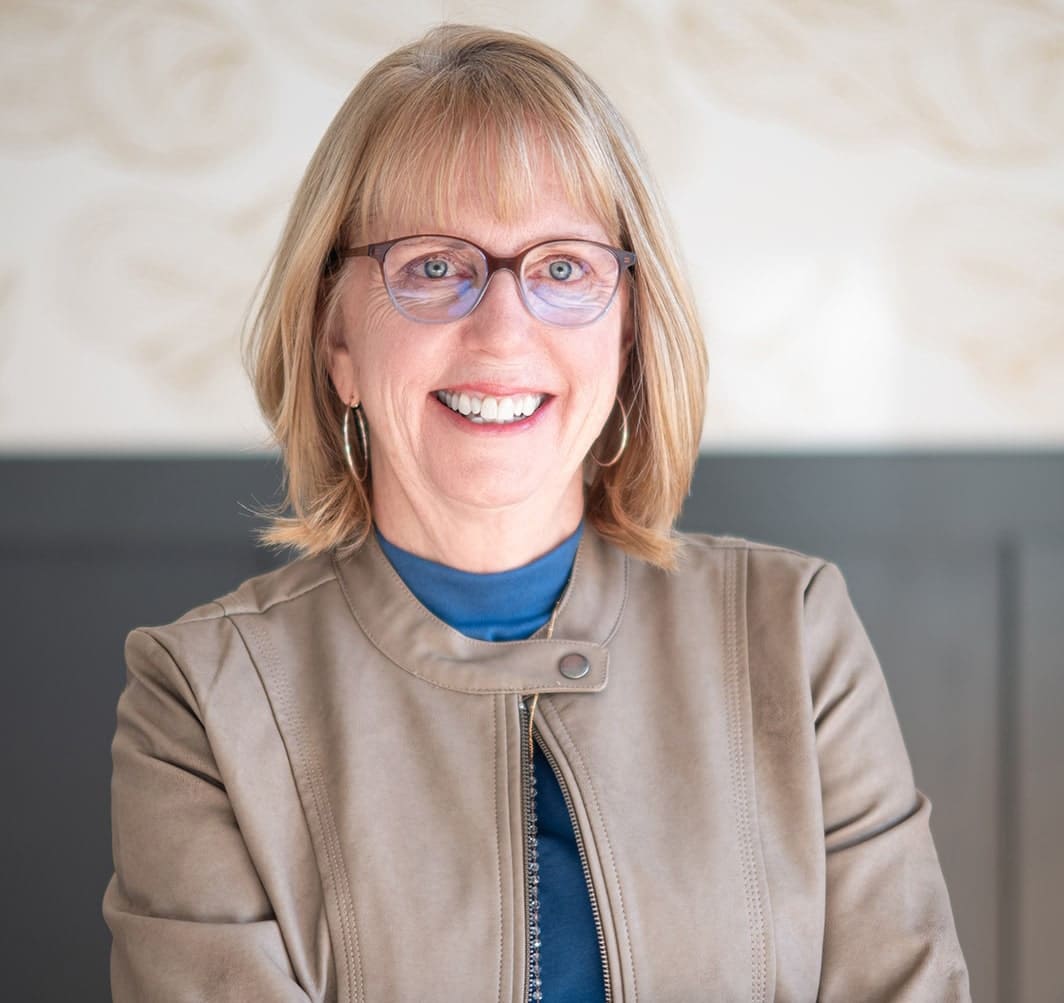
My name is Kathy, and I am a Hearing Instrument Specialist (HIS) with SoundGate Hearing. I have been in hearing health for 18 years. I am passionate about helping people live their best lives with the best hearing possible. Getting to know patients is a joy for me. My position is a lot like a Nurse Practitioner’s. I am licensed to perform many services to help you while I work with and for the Audiologists for your best care. In my spare time, you will find my husband and I enjoying our three busy grandsons, reading with my book club, traveling, and spending time with friends and family. I am so glad to be part of the SoundGate Hearing team.